Eye Health After Retinal Detachment Surgery – Tips and Guidance from Dr. Mandeep Lamba, Dubai
When it comes to our eyes, nothing feels scarier than being told you have a retinal detachment. The retina is a very thin layer of tissue at the back of your eye that helps you see. If it detaches, it means it gets pulled away from its normal position. This can cause sudden vision loss .

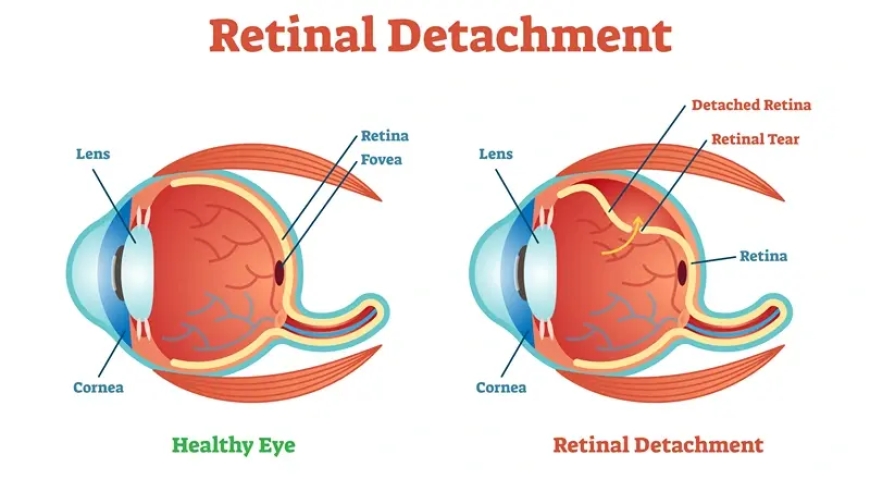
In Dubai, many people trust experienced doctors likeDr. Mandeep Lambafor retinal detachment surgery. But what happens after the surgery? How can you take care of your eye and protect your vision? Lets explore what you can expect and how to keep your eyes healthy afterRetinal Detachment Surgery Doctor In Dubai.
Understanding Retinal Detachment Surgery
Retinal detachment surgery is a special eye operation. Its goal is to put the retina back in its correct place. Dr. Mandeep Lamba uses modern methods to do this, depending on how serious the detachment is.
Some common types of surgery are:
-
Vitrectomy:Removing the clear gel (vitreous) inside the eye and replacing it with a special gas or oil to press the retina back.
-
Scleral buckle:Placing a small silicone band around the eye to gently push the wall of the eye closer to the retina.
-
Pneumatic retinopexy:Injecting a gas bubble into the eye, then using laser or freezing treatment to seal the retina.
These surgeries can save vision. But the healing process is very important. After the surgery, you need to follow your doctors advice carefully.
What to Expect After Surgery
After retinal detachment surgery, your eye needs time to heal. Heres what many patients experience:
-
Blurred vision:Your vision may not be clear right away. This is normal. The retina and eye need time to recover.
-
Redness and discomfort:Your eye may look red and feel sore. This usually improves after a few days or weeks.
-
Swelling:Some patients have swelling in the eyelid or around the eye.
-
Gas bubble or oil:If a gas bubble or silicone oil is used, you might see it as a dark shadow in your vision. This will change as the bubble gets smaller or the oil is removed later.
Everyone heals differently. Dr. Mandeep Lamba explains to his patients that patience is important. Vision may keep improving slowly over weeks or months.
Important Tips for Eye Care After Surgery
Here are some easy but very important steps to protect your eye after retinal detachment surgery, shared byDr. Mandeep Lamba:
1.Follow Posture Instructions
If your doctor tells you to keep your head in a special position (like face down or on your side), do it. This helps the gas bubble or oil press against the retina properly.
This position might feel uncomfortable, but it is very important for your recovery.
2.Use Eye Drops Properly
After surgery, your doctor will prescribe eye drops to:
-
Reduce swelling
-
Prevent infection
-
Help the eye heal
Always use the eye drops exactly as the doctor tells you. Wash your hands before using them, and dont miss any doses.
3.Protect Your Eye
-
Wear the eye shield or patch your doctor gives you, especially while sleeping.
-
Dont rub or press your eye.
-
Avoid dusty or dirty places for a few weeks.
These simple steps prevent infections and protect the healing retina.
4.Avoid Certain Activities
After retinal detachment surgery, you must avoid:
-
Heavy lifting or bending down
-
Strenuous exercise or sports
-
Swimming, especially in public pools
-
Flying or traveling to high mountains if you still have a gas bubble in your eye
Dr. Mandeep Lamba reminds patients that these restrictions are temporary but very important.
5.Attend Follow-up Visits
Your eye needs to be checked by the doctor regularly after surgery. Even if your vision seems fine, go to every appointment. The doctor can:
-
Check if the retina is healing properly
-
Adjust medicines
-
Remove stitches if needed
-
Remove silicone oil later if it was used
Regular check-ups help prevent new problems.
6.Watch for Warning Signs
Contact your doctor immediately if you notice:
-
Sudden vision loss
-
Severe pain not helped by medicine
-
Redness that gets worse
-
Many new floaters or flashes of light
These could be signs of another retinal problem or infection. Early treatment can save your vision.
How Long Will It Take to See Clearly Again?
This is a very common question. Dr. Mandeep Lamba explains to patients that:
-
Vision may stay blurred for several weeks or months
-
Some patients get back most of their vision
-
Others may not recover full vision, depending on how severe the detachment was and if the macula (center of the retina) was involved
Its important to have realistic expectations and focus on protecting the remaining vision.
Life After Retinal Detachment Surgery
Many patients worry if they can go back to normal life. Heres what you can usually do once your doctor allows:
-
Use your phone, computer, or watch TV (in moderation)
-
Walk or do light exercises
-
Read books or newspapers
-
Return to work, depending on your job
Everyones recovery is different. Always ask your doctor before resuming any activity.
Nutrition and Eye Health
Eating healthy foods helps your eye heal. Dr. Mandeep Lamba suggests including:
-
Leafy greens like spinach and kale
-
Fresh fruits, especially oranges, berries, and kiwis
-
Fish rich in omega-3, like salmon
-
Nuts and seeds
-
Eggs
These foods are rich in vitamins and antioxidants that support retinal health.
Emotional Well-being
Recovering from retinal detachment surgery can feel stressful. Some patients feel:
-
Worried about their vision
-
Anxious about the future
-
Frustrated by the slow recovery
This is normal. Talking to family, friends, or a counselor can help. Dr. Mandeep Lamba also reassures his patients that feeling anxious is common, and support is available.
Protecting Your Eyes for the Future
After having retinal detachment once, you may be at risk in the other eye too. To protect your eyes:
-
Get regular eye exams
-
Control health problems like diabetes and high blood pressure
-
Avoid eye injuries by wearing protective glasses during sports or work
-
See your eye doctor quickly if you notice new flashes, floaters, or shadows
Why Choose Dr. Mandeep Lamba in Dubai?
Dr. Mandeep Lamba is known in Dubai for:
-
Using advanced surgical methods
-
Taking time to explain procedures to patients
-
Providing kind and careful follow-up care
-
Having many years of experience in eye surgery
His patients trust him not only for surgery but also for guidance during recovery.
Conclusion
Retinal detachment surgery can preserve your vision, but recovery requires patience and proper care. By carefully following your doctors guidance, safeguarding your eye, maintaining a nutritious diet, and staying positive, you help your retina heal as effectively as possible.
Dr. Mandeep Lambaand his team in Dubai are dedicated to helping patients see better and live confidently after retinal detachment surgery.
Remember, every patients journey is unique. If you have questions or feel worried, always talk to your doctor. Your vision and peace of mind are very important.