How To Avoid Becoming A Victim Of Trekking Scams In Annapurna
Planning a trek in the Annapurna region? Learn how to avoid common scams related to trekking agencies, permits, fake guides, and helicopter evacuations. Stay safe, informed, and make the most of your Himalayan adventure with this essential guide.
How To Avoid Becoming A Victim Of Trekking Scams In Annapurna
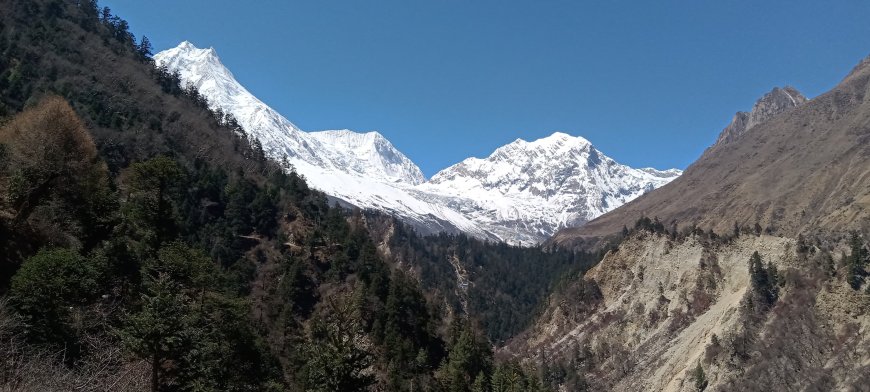
The Annapurna region of Nepal is one of the worlds most breathtaking trekking destinations. With its snowcapped peaks, ancient villages, and welcoming culture, it attracts thousands of trekkers each year. Unfortunately, its popularity has also led to an increase in trekking-related scams. If youre planning to trek the Annapurna Circuit or Annapurna Base Camp, this guide will help you avoid common pitfalls and protect your experience and your wallet.
1. Book Through Registered Trekking Agencies
Always choose trekking companies that are registered with the Trekking Agencies Association of Nepal (TAAN) and the Nepal Tourism Board (NTB). These agencies are regulated, accountable, and are more likely to provide trained guides, proper insurance, and genuine services.
How to verify:
-
Check for their official registration number.
-
Look for online reviews and testimonials.
-
Visit the companys office in person if youre already in Kathmandu or Pokhara.
Avoid street touts and individuals who offer deals in hotel lobbies or online forums without any formal representation.
2. Dont Fall for Too Good to Be True Prices
If the price looks suspiciously cheap, theres usually a catch. Scammers attract tourists by advertising ultra-low-cost packages, but often cut corners by:
-
Providing unlicensed guides or porters.
-
Using fake permits.
-
Excluding meals or accommodation once youre already on the trail.
-
Skipping essential safety protocols.
Tip: Ask for a detailed breakdown of what the price includes: permits, transportation, lodging, guide/porter fees, insurance, and meals. Transparent pricing is a sign of a legitimate operator.
3. Confirm the Authenticity of Permits
You need two main permits for the Annapurna region:
-
TIMS (Trekkers Information Management System) Card
-
ACAP (Annapurna Conservation Area Permit)
Some dishonest operators provide fake permits or skip them altogether, putting you at legal risk during checkpoints.
Avoid this by:
-
Buying permits from the Nepal Tourism Board (NTB) in Kathmandu or Pokhara.
-
Ask your agency to provide a copy of both permits before your trek begins.
-
Verifying your details (name, passport number, and dates) on the permits.
4. Hire Licensed and Insured Guides and Porters
Another common scam is the use of unlicensed or inexperienced guides. These individuals often charge less but lack proper training, insurance, and accountability. Worse, some may abandon trekkers if conditions become challenging.
Before hiring:
-
Ask to see the guides official license issued by the Nepal Tourism Board.
-
Ensure the guide and porter are covered by insurance, especially for rescue or accidents.
-
Confirm that they speak your language and understand basic first aid.
5. Watch Out for Helicopter Evacuation Scams
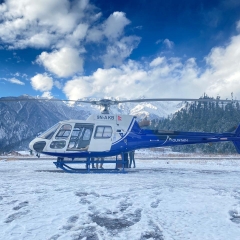
A growing scam in Nepals trekking industry involves unnecessary helicopter evacuations. Some guides intentionally exaggerate symptoms of altitude sickness and pressure trekkers into calling for an airlift, often in collaboration with private rescue companies who share commissions.
Avoid this by:
-
Getting a second opinion from another trekker, guide, or local medical clinic.
-
Not blindly accepting evacuation unless symptoms are severe and confirmed by multiple sources.
-
Ensuring you have proper travel insurance that covers high-altitude rescue and verifying how it is handled before departure.
6. Dont Pay Full Amounts Upfront
Legitimate companies typically require a deposit but allow you to pay the remainder just before or during the trek. Scammers, on the other hand, will often demand full payment upfront, then disappear or deliver subpar service.
Safe practice:
-
Pay a 2040% deposit after verifying documents and reading reviews.
-
Use traceable payment methods like credit cards, PayPal, or bank transfers.
-
Avoid giving cash to individuals without official receipts or contracts.
7. Avoid Last-Minute Street Deals
In places like Thamel (Kathmandu) or Lakeside (Pokhara), youll encounter dozens of people offering last-minute treks at bargain rates. These deals are often scams targeting tourists in a rush.
Why its risky:
-
No paperwork or insurance.
-
Unvetted guides or porters.
-
No support in case of emergencies.
Plan your trek whenever possible, or visit the offices of verified agencies in person.
8. Ask for an Itemized Itinerary
Some fake or semi-legitimate operators will lure you with vague descriptions and then cut services once youre deep into the trek.
Avoid this by requesting:
-
A detailed day-by-day itinerary.
-
A list of included services (lodging, meals, transport).
-
Emergency protocols and contact information.
A trustworthy agency will provide written documentation outlining what you are paying for.
9. Beware of Rental Equipment Scams
If your trek package includes gear rental, inspect everything before you leave. Some shady agencies provide poor-quality or damaged gear, which can be dangerous in high-altitude conditions.
Tips:
-
Check that sleeping bags are rated for sub-zero temperatures.
-
Make sure jackets, crampons, and boots are in good condition.
-
Rent gear from well-known outfitters instead of relying on your trekking company.
10. Know Your Rights and Report Scams
If you suspect that youve been scammed, report it to:
-
TAAN (Trekking Agencies Association of Nepal)
-
Nepal Tourism Board
-
Local police or tourist information centers
Keeping documentation receipts, emails, permits will help you make your case.
Additionally, post your experience on review sites like Google, TripAdvisor, and Lonely Planets Thorn Tree forum to warn other trekkers.
Final Thoughts: Trek Smart, Trek Safe
The Annapurna region is one of the most enriching trekking destinations on the planet. While scams exist, most trekking agencies and guides are hardworking, passionate professionals who want you to have a safe and unforgettable adventure.
By staying informed, asking questions, and doing your research, you can avoid scams and focus on what truly matters: the mountains, the culture, and your journey within.
Are scams common in the Annapurna region?
Not overly common, but they do happen, especially in high tourist seasons and when booking through unverified sources.
Can I trek the Annapurna Circuit solo to avoid scams?
As of recent regulations, solo trekking in certain areas of Nepal is discouraged or restricted due to safety reasons. Its best to hire a licensed Annapurna Base Camp Trek guide.
Is it better to book online or in Nepal?
Both have pros and cons. Booking online gives you time to research, while booking in Nepal lets you meet the operator in person. Always verify credentials either way.