














Maritime Logistics Tracking Systems from a Mobile App Development Company in the UK for Port Authorities
Maritime logistics is the backbone of global trade, yet many port authorities still rely on outdated tracking methods. A smart logistics tracking system developed by a mobile app development company in the UK is transforming this space with real-time visibility and automation.

In todays global economy, maritime logistics plays a massive role in moving goods between continents. Yet, for many port authorities, tracking these complex operations still involves outdated processes, siloed data, and manual reporting. Thats where cutting-edge maritime logistics tracking systems, developed by a top-tier mobile app development company in the UK, are rewriting the playbook.
Lets take a deep dive into how these intelligent systems are streamlining port operations, reducing delays, and empowering port authorities with real-time control and why software development companies are the silent game-changers behind this transformation.
Why Maritime Logistics Tracking Needs a Digital Upgrade
Port logistics is an ecosystem. Ships, containers, cranes, customs, weather, trucking, and scheduling all have to sync perfectly. But in many cases, information flow is fragmented. A delay in one place triggers a domino effect. Paper logs, spreadsheets, and phone calls still dominate, causing bottlenecks and costing ports millions in inefficiency.
The result? Poor visibility. And poor visibility means poor decision-making.
Rising Pressure on Port Authorities
Port authorities across the globe are under increasing pressure. With global shipping volumes rising and regulations tightening, expectations for seamless operations have never been higher. Stakeholders want accountability, transparency, and speed all of which are difficult to deliver without the right tech infrastructure.
This is where a mobile app development company in the UK can truly shine.
What Is a Maritime Logistics Tracking System?
Think of It as a Ports Digital Nervous System
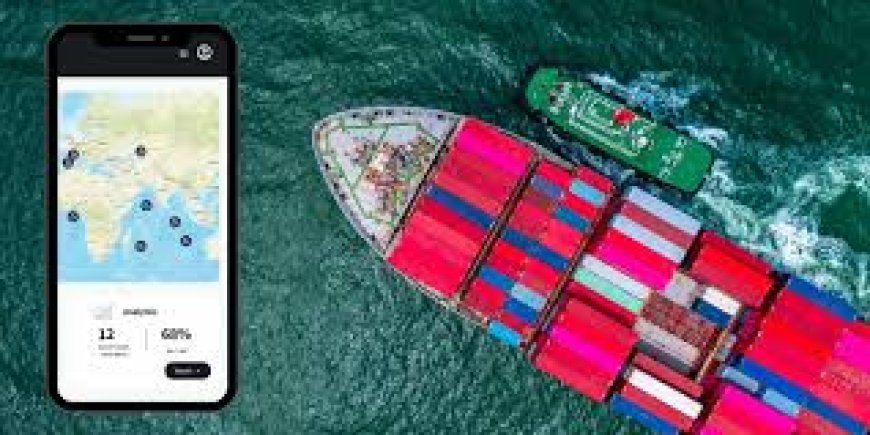
A maritime logistics tracking system is a smart digital platform often mobile-first that connects every piece of the shipping puzzle. It allows port authorities to track:
-
Vessel arrivals and departures
-
Cargo movement
-
Container location
-
Berth assignments
-
Crane and yard equipment status
-
Real-time weather or tide conditions
-
Gate in/out logistics
-
Compliance and security protocols
And heres the best part: All of this can be visualized and managed from a single dashboard accessible via a tablet or smartphone.
Data Is King
These systems dont just collect data they analyze it. Predictive analytics, AI-based scheduling, automated alerts, and digital twins are increasingly being built into logistics apps. Software development companies are now blending maritime expertise with emerging tech, offering smarter, self-learning tools tailored to each port's ecosystem.
The Role of a Mobile App Development Company in the UK
Why UK-Based Companies Are Leading the Charge
The UK is home to some of the worlds busiest ports Southampton, Felixstowe, and London Gateway to name a few. The region has also cultivated a robust ecosystem of software development companies that specialize in maritime and logistics tech.
A mobile app development company in the UK not only understands the local port landscape but also builds solutions aligned with global standards like IMO (International Maritime Organization) compliance, GDPR, and environmental regulations.
Custom App Solutions for Port Authorities
Unlike off-the-shelf products, a custom app built by a UK firm is designed specifically for the ports operational model. That means it can be integrated with legacy ERP systems, RFID or GPS tracking, drone surveillance feeds, and more.
Heres what such apps typically offer:
-
Live Vessel Tracking
AIS (Automatic Identification System) integrated real-time vessel monitoring. -
Digital Berth Scheduling
Avoids traffic jams by allocating slots based on ship size, cargo type, and current berth capacity. -
Gate Automation
Tracks truck/container entry and exit using QR codes or NFC sensors. -
Worker App Modules
Enables yard workers, crane operators, and inspectors to receive updates, report issues, or track cargo via mobile.
Features That Set These Systems Apart
Real-Time Notifications
Push alerts and automated notifications for ship arrival, weather warnings, or equipment failures mean faster response times.
Geo-Fencing & RFID Integration
Containers and cargo can be geo-tagged. Once they cross virtual boundaries, alerts are triggered reducing the risk of loss or theft.
Predictive Analytics for Congestion Management
By analyzing historical and real-time data, the system can forecast peak congestion times, allowing authorities to reroute, reschedule or optimize manpower.
Environmental Impact Monitoring
Modern apps developed by UK-based firms now include features for carbon tracking, vessel emission monitoring, and energy usage across the port critical for green compliance.
Benefits for Port Authorities
1. Unprecedented Operational Visibility
Everything is accessible in one place from vessel ETAs to container locations to maintenance logs. No more waiting on email chains or manual updates.
2. Reduced Turnaround Time
Faster cargo offloading, real-time berth allocation, and truck scheduling mean quicker turnaround times, which translates into higher revenue and throughput.
3. Lower Operational Costs
Real-time tracking minimizes idle time for ships and trucks. Automated scheduling reduces the need for manual intervention. And fewer delays mean fewer penalties.
4. Enhanced Safety and Compliance
By monitoring crane load, cargo type, and gate activity, ports can reduce the chances of accidents, theft, and non-compliance fines.
5. Scalability and Future-Proofing
Apps can be designed to scale with port expansion. New modules (e.g., drone surveillance, AI cargo scanning) can be added without system overhaul.
How the Development Process Works
Step 1 Needs Assessment
The mobile app development company in the UK begins by understanding the ports specific challenges, traffic volume, and legacy systems. A detailed tech audit is conducted.
Step 2 UI/UX Design Tailored for Field Use
These arent apps for sitting at a desk. The UX is built for mobile and tablet users bright visuals, large buttons, offline functionality, and minimal typing.
Step 3 Backend Integration
Secure APIs connect the new app with existing databases, port management systems, shipping lines, customs software, and third-party platforms like IBM Weather or AIS ship data.
Step 4 Testing in a Real-Time Port Environment
Before full deployment, the app is tested live in a ports specific environment with real operators. Bugs are fixed, features are tuned.
Step 5 Training and Launch
Once live, training is offered to port staff from crane operators to admin to ensure everyone uses the system efficiently.
Case Study: A UK Port Goes Digital
Felixstowes Digital Turnaround
Port of Felixstowe, the UK's largest container port, partnered with a mobile app development company in the UK to build a digital logistics platform.
What changed?
-
Truck turnaround time dropped by 30%.
-
Real-time container visibility increased staff efficiency.
-
Environmental tracking tools helped the port meet its CO2 reduction goals.
-
Manual logs and phone-based tracking became obsolete.
This is just one example, but ports across the UK are seeing similar transformations.
The Future: AI, Drones, and Autonomous Logistics
Smart Ports on the Horizon
The next wave of maritime logistics will involve:
-
Autonomous Drones for container inspection and perimeter surveillance.
-
Digital Twins for simulating port congestion scenarios.
-
AI-Powered Scheduling to optimize traffic flow and reduce human error.
-
Blockchain for Secure Documentation from customs forms to shipment ownership.
A future-ready mobile app development company in the UK is already building these features into their maritime solutions allowing UK ports to remain competitive globally.
Choosing the Right Mobile App Development Company in the UK
What to Look For
Not all software development companies are created equal. When selecting a mobile app partner for your port logistics system, look for:
-
Experience in maritime/logistics projects
-
Expertise in IoT, AI, and data integration
-
Proven security practices (ISO, GDPR)
-
Strong UI/UX team for field usability
-
Ability to offer long-term support and upgrades
Final Thoughts: Why Digital Tracking Is the New Compass for Maritime Logistics
Gone are the days when port authorities could operate on spreadsheets and walkie-talkies. The maritime world is evolving and so must its digital infrastructure.
A modern maritime logistics tracking system, created by an expert mobile app development company in the UK, isnt just a nice-to-have. Its now mission-critical.
From real-time cargo tracking to smarter scheduling, these tools are giving port authorities the superpowers they need to handle global trade with confidence. And behind the scenes, the UKs leading software development companies are making it all possible one powerful app at a time.